The Room at the End of the Terrace: Cheap Pints, Loud Bingo and a Friday Night Revival
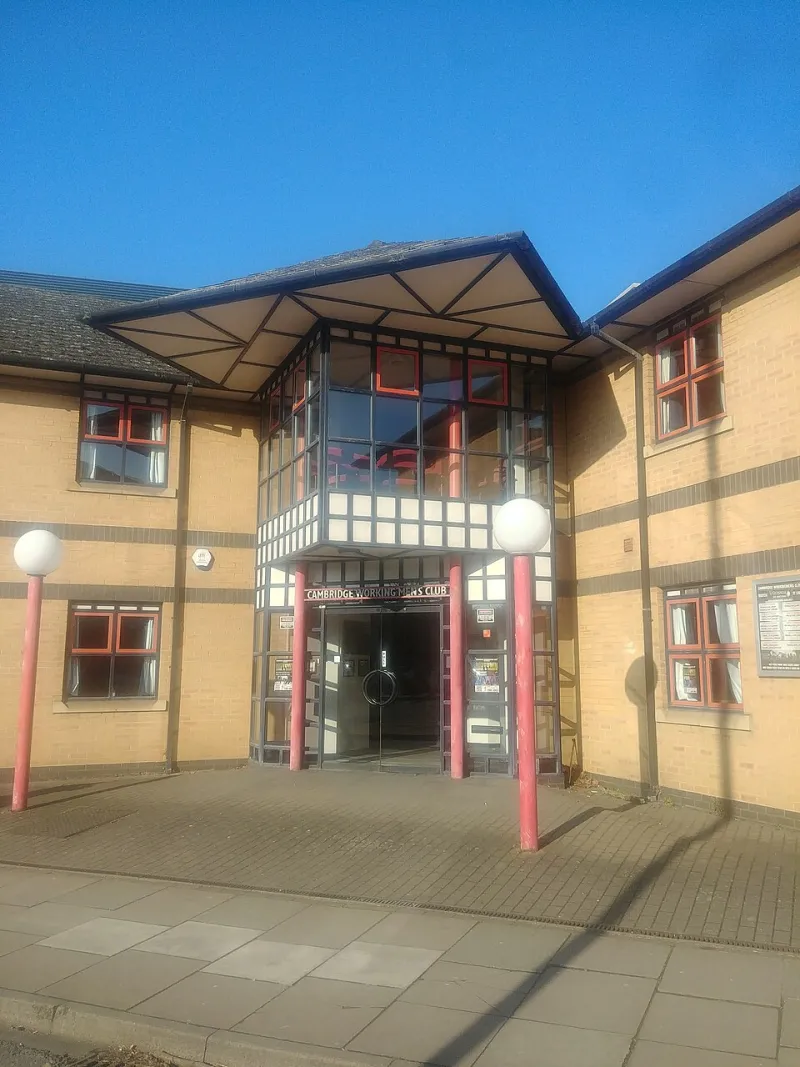
Photo: Lajmmoore, CC BY-SA 4.0, via Wikimedia Commons
The first thing you notice is the carpet. It is the colour of a pint of mild and has absorbed forty years of Friday nights. The second thing you notice is the noise: not music, not a big screen, but a hundred small conversations and the clack of dominoes from the corner. I am at a working men's club in a town I will not name, because the steward asked me not to. It is Friday 6 November 2026, and the room is fuller than the car park suggests.
The £3.20 pint and the £1 strip
Kath has been steward here for eleven years. She is behind the bar in a black polo shirt, pulling bitter with the practised air of someone who has heard every joke about warm beer and has decided not to dignify any of them. A pint of the house bitter is £3.20. A bottle of lager is £3.60. A bag of crisps is 80p. There is a card machine now, but most people still pay in cash and most people still say keep the change.
'People think we are cheap because we are stuck in the past,' Kath says. 'We are cheap because we are not paying London rents and we are not trying to be a brand. This is a members' club. We are a mutual. The committee meets once a month and argues about the boiler. That is the business model.'
Membership is £12 a year. Guests sign in for £1. Tonight there is a meat raffle, a bingo session and a singer in the function room later. The bingo strips are £1 each, or six for £5. The meat raffle is £1 a strip. The top prize is a joint of beef from the butcher on the high street, wrapped in paper and sitting on a tray next to the stage like a trophy.
The steward's ledger
Kath shows me the ledger. It is a hardback notebook, not a spreadsheet, though there is a spreadsheet too. Friday nights are up. Sunday afternoons are up. Wednesdays are still quiet, unless there is a darts match. The club has 312 members. Ten years ago it had 480. The average age of the committee is 67. The average age of the people at the back table tonight is about 29.
That is the interesting bit. The younger crowd is not here for irony. They are here because a round for four is under £15, because the room is warm, because nobody is filming them, and because the bingo caller is genuinely funny. One of them, a woman in a Leeds United hoodie, tells me she started coming when her flatmate moved in round the corner. 'We came for the cheap pints,' she says. 'We stayed because Dennis is brutal.'
Dennis is the bingo caller. He is 74, has a throat like a gravel path and runs the session with the timing of a stand-up. He calls the numbers, then adds a comment. Number 11, legs eleven. Number 66, clickety click. Number 88, two fat ladies. He does not need the jokes. The jokes are the point. When someone shouts house, he checks the card with theatrical suspicion and then says, 'Well, that's the beef gone to a good home.'
Bingo, but not as telly does it
There is no flashing screen. There is a microphone, a small amplifier, a box of tickets and a laminated board. The prizes are £10, £15 and a £25 voucher for the Co-op. The room goes quiet in the way a room only goes quiet when everyone is listening for the same thing. Then it erupts. It is not a TV game show. It is better, because the person who wins is sitting three tables away and will be buying a round later.
Between games, Alan and Joan tell me they have been members since 1989. They met here. Their daughter's wedding reception was in the function room. They come on Fridays for the bingo and on Sundays for the quiz. 'It is a club,' Alan says. 'You pay your subs, you get looked after. When I had my hip done, Kath organised a card and a whip round. You don't get that from a chain pub.'
The younger ones at the back
The back table is a mix of ages now. Two lads in their twenties are playing darts. A group of nurses on a night off are sharing a packet of prawn cocktail crisps. A man in a fleece is reading the football results on his phone. Nobody is being loud. Nobody is being told to be quiet. The room is doing what rooms like this have always done: it is holding people without asking them to perform.
That is not nostalgia. It is infrastructure. The working men's club was built as a place for a certain kind of worker, and it has had to change. Women are full members now. The committee is not all men. The function room hosts birthday parties and wake receptions and a weekly craft group. The club is not a museum. It is a building with a leaking roof and a decent cellar and a steward who knows everyone's name.
What a night out actually costs
I add it up. Guest entry £1. Four pints of bitter £12.80. Two bingo strips £2. One meat raffle strip £1. A packet of crisps 80p. Total: £17.60. You could spend that on a single cocktail in some cities and still be hungry. Here it buys you a seat, a laugh, a chance at a joint of beef and the distinct feeling that you have been somewhere real.
As I leave, Dennis is calling the next game. Kath is pulling another pint. The car park is still full. The carpet is still the colour of mild. The club is not having a moment because it has been reinvented. It is having a moment because it never went away. It just needed people to remember the door was open.