Three Teachers, a Fiddle and a Tea Urn: Thursday Night in the Hall With the Sticky Floor
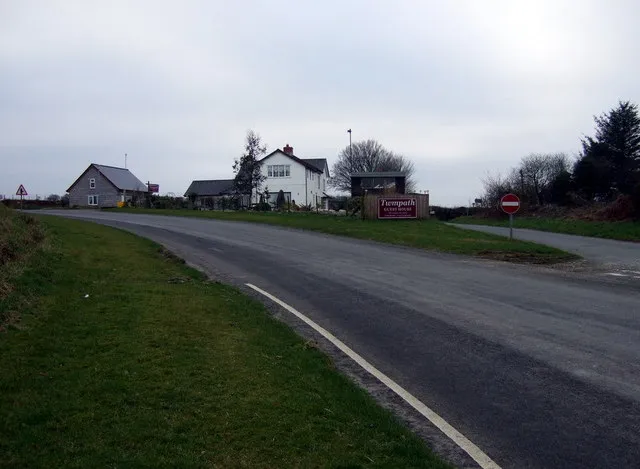
Photo: ceridwen, CC BY-SA 2.0, via Wikimedia Commons
The door sticks. Everyone knows it sticks. There is a particular technique to it — shoulder in, lift the handle slightly, a small apology to the wood — and by ten past seven a queue has formed on the step, each person taking their turn at it as though it were a folk dance in itself. Inside, the smell is floor polish, faintly warm radiator, and the ghost of a hundred teas.
I had been told to arrive early and I had ignored that, so I paid my £5 into the tin by the hatch, hung my coat on a chair that had clearly been claimed by a coat since roughly 1998, and stood at the side trying to look like a person who belonged there.
The Band Is a Staff Meeting
At the far end, on a scuffed parquet square, four people were tuning up. Fiddle, accordion, a keyboard on a stand that wobbled, and a bodhrán that got a look of genuine concern from the fiddler. Three of them, I later learned, teach in the same secondary school. The fourth drives a van for a bakery and plays because he always has.
They do not have a set list. They have a repertoire, which is a different thing. Someone calls out a tune name, someone else says "not that one, the other one," and they go, and it works because they have been playing together for eleven years and could probably do it in their sleep.
Bev is the caller. Bev knows every name in the room, including the ones she gets slightly wrong on purpose, which is a skill. She has a microphone that she does not really need and a bamboo garden cane that she absolutely does need.
Mind the Bamboo
The cane lives against the radiator and gets used for three things: pointing at feet, tapping the floor when the band drifts, and being leaned on while Bev explains, for the fourth week running, that a set is six people and not, as one gentleman in the corner firmly believes, five.
When it comes out, someone shouts "mind the bamboo" and everyone shuffles back two inches. It has never hit anyone. It has come close. It is part of the furniture, and I suspect if Bev ever turned up without it there would be a small, worried silence.
The first dance was one I did not know, so I did the thing beginners do: I found the back and watched.
The Man Marking the Steps
At the rear, near the stack of spare chairs, a man in a grey jumper was stepping the figures on his own, half pace, mouthing the counts. Not dancing. Marking. Heel, toe, turn, and a small apologetic hand movement on the beats where you take a partner.
I asked him afterwards whether he was a regular. He has been coming for four years and has never once joined a set. He comes for the two hours, learns the dances in his own time, and goes home. Nobody bothers him about it. That, I think, is the whole personality of the night in one person — the door is open, the pace is whatever you can manage, and nobody is going to drag you into the middle of it for your own good.
I copied him for a while. It was the best decision I made all evening. Watching the cane only tells you which way to turn. Watching feet tells you when.
Why These Nights Are Filling Up
I have been to ceilidhs before — weddings, a university hall in the 2000s, a village fundraiser where the caller had clearly been at the wine. What is different in 2026 is that the scruffy, weekly, £5-in-a-tin version has taken hold. Not the big ticketed event. The Thursday.
Part of it is money. A night out that costs less than two pints and comes with a warm hall and a tray of flapjack is not nothing in this economy. Part of it is the thing everyone in every arts venue has been saying for two or three years: people are tired of watching. They want to do the thing badly in a room with other people doing it badly.
But the real machinery is duller than that. The hall hire is cheap because the hall belongs to a church that would rather it be used. The band plays for a share of the door and a plate of sandwiches. The caller does it because she has done it since she was nineteen and would not know what to do with a free Thursday.
That is not a business model. It is closer to a habit that survived long enough to become an institution.
The Tea Urn Does a Roaring Trade
At nine, everything stops. This is not optional.
The urn is switched on at half six and by the interval it is doing the sort of business you normally associate with a festival bar. Mugs — mismatch, all of them — a pound in the tin, tea or coffee, and a tray of something baked by someone whose name is on a sticky note. You will be asked whether you are dancing next week before you have finished your first sip.
There is a raffle. There is a sign-up sheet for the rota that nobody has to sign but everyone does. There is a small child doing laps of the room in socks, because the floor is genuinely too sticky for shoes to be reliable.
I stayed for the second half. My calves are still complaining, and I have a bruise on one elbow from a spin that went wide, and I have already been told, kindly, that I count too fast.
Thursday again next week. The door still sticks. Bring a fiver and don't wear your best soles.