Cardboard, Instant Coffee and a £3 Box: A Sunday on the Record Fair Circuit
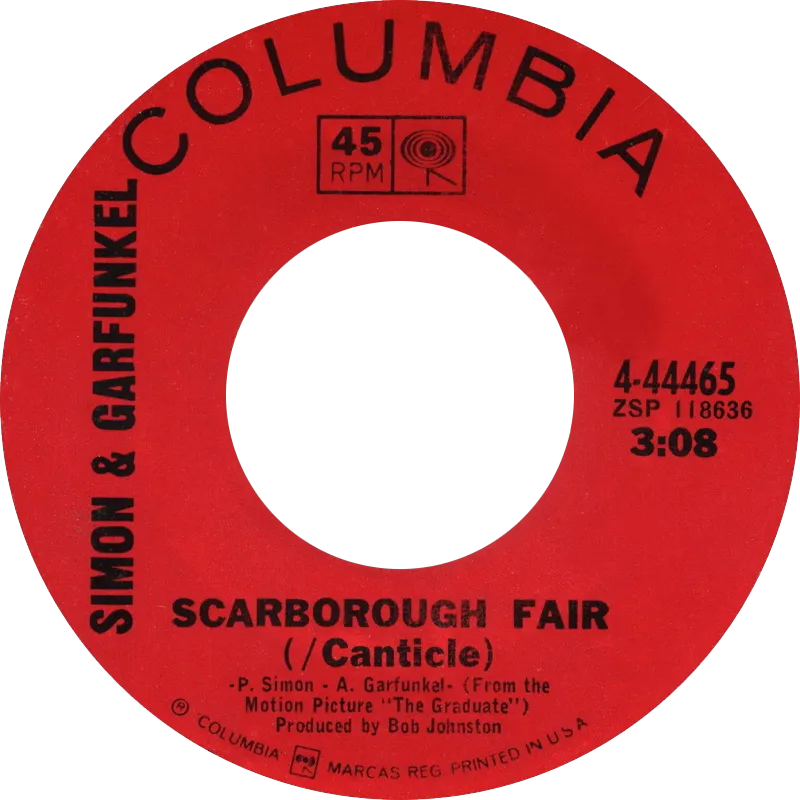
Photo: Columbia Records, Public domain, via Wikimedia Commons
The doors open at half nine, but the day started hours ago. By the time I pull into the car park behind a village hall somewhere off the A14, the tailgates are already up and the trolleys are out. Two men are carrying a trestle table between them like a stretcher. Somewhere inside, an urn is being switched on, and the whole building already smells of cardboard and instant coffee.
This is the record fair, and in 2026 it is one of the last genuinely social Sundays left in Britain.
7:40am: the dealers arrive first
Dealers get in early, not because they are secretive, but because setting out 4,000 records takes time. There is a choreography to it. Rock and pop at the front, where the casual buyers walk first. Soul, jazz and reggae on the side. The £3 boxes nearest the tea, because that is where you want people to linger.
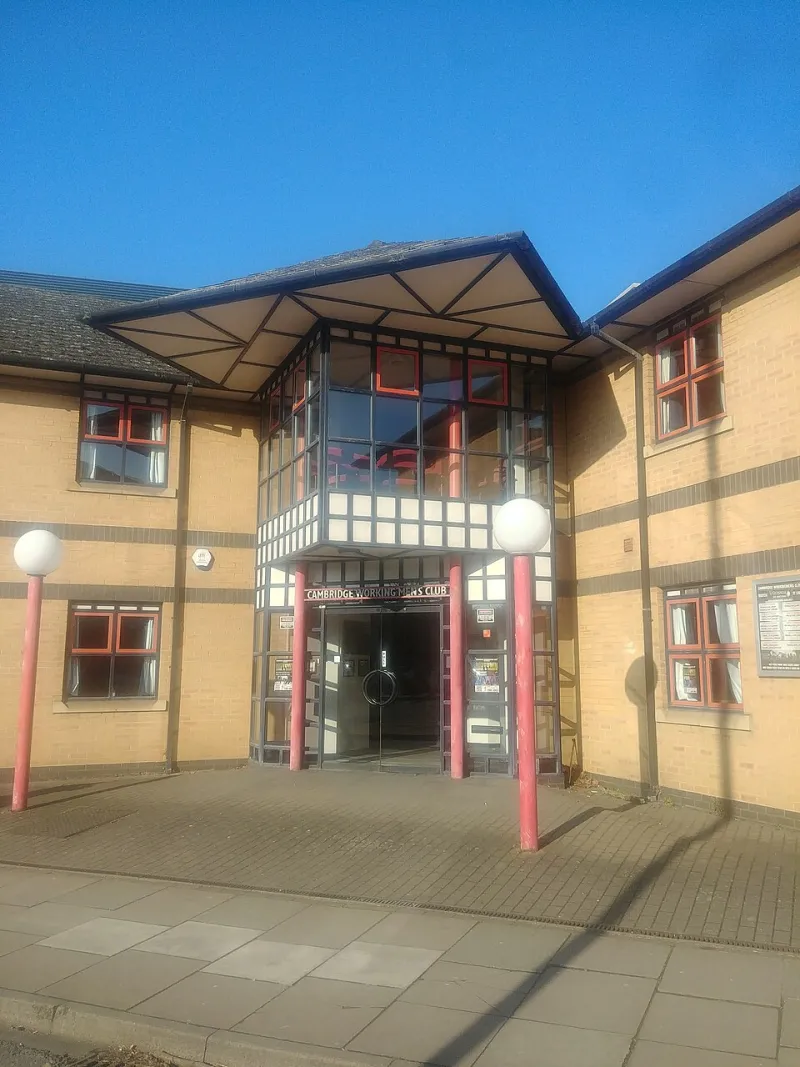
Ray has been doing this circuit for the best part of thirty years. He does roughly forty fairs a year, most of them in church halls, leisure centres and one memorable function room above a working men's club. He prices with a marker pen and a mental database built over decades.
'You can tell in about four seconds whether someone is a collector or a decorator,' he tells me, taping a handwritten sign to the front of his table. 'Collector picks things up, turns them over, checks the run-off. Decorator picks things up and holds them at arm's length to see if the cover matches the sofa.'
He is not being snobbish about it. Most of his Sunday is spent talking to the decorators.
9:30am: the queue, and what it is really for
By half nine the queue stretches past the noticeboard advertising a coffee morning that finished in 2024. Early entry, half an hour before the public, costs a tenner and attracts a specific type: the person who knows exactly what they are looking for and does not want to talk about it.
They walk in fast, eyes down, straight to a particular crate. It is not unlike watching people who have memorised the layout of a supermarket.
Then the general public arrives, and the mood changes. Prams. Teenagers. A man in a cycling jacket asking, very reasonably, whether there is any Pink Floyd. There always is any Pink Floyd. There is always more Pink Floyd than the world strictly needs.
The people who don't own a turntable
Here is the thing that would have confused a record fair regular in 2005: a fair chunk of the people buying records on a Sunday morning do not own a record player.
I met Priya by the soul crate. She was holding two LPs and a 12-inch she had no intention of playing. 'I have a wall,' she said, as if that explained everything. It sort of did. Records have become posters you can hold. They have become presents, props, gifts for people who are difficult to buy for.
Some of this is the continuing vinyl revival that everyone keeps declaring the end of, and which stubbornly refuses to end. Some of it is something else – the same instinct that has pushed people back into cinema screenings and theatre matinees. A physical object that exists in a room, chosen by hand, on a Sunday, in the company of other people doing the same thing.
The dealers have adjusted accordingly. There is a whole sub-genre of stock now priced for display rather than playback: the picture discs, the coloured reissues, the albums with covers so iconic that the record inside is almost irrelevant. Ray keeps a box of them under the table and brings it out at eleven, when the browsing crowd hits its peak.
The accidental find
I went in looking for nothing in particular and came out with three things I did not know existed.
That is the whole appeal, and it is the one thing no algorithm has worked out. Streaming gives you what you ask for. A record fair gives you what happened to be in a crate in Suffolk that morning.
My haul: a 1978 folk compilation with a sleeve that looks like a wallpaper sample, a scratched but playable soul single I only bought because of the B-side title, and – the real prize – a record I had been half-heartedly watching online for two years, sitting in a £3 box because the sleeve had a water stain. The stain is fine. The record plays. I paid less than a pint and a half for it.
This happens constantly. The vinyl market online is ruthlessly efficient, which means everything is priced at exactly what it is worth, which means there are no surprises. Fairs are inefficient in the best possible way. Dealers underprice things by accident. They mislabel genres. They forget what they have in the back of the van.
What a morning actually costs
The honest arithmetic of a record fair in 2026: entry is usually £2 to £4 on the door, more if you want early access. A cup of tea is £1.50 and the bacon roll from the van outside is £4.50, which is the best money you will spend all week. Travel is whatever your car costs to sit in a queue on an A-road.
I spent £31 in total, including the tea, and got three records, a conversation about a 1980s pressing plant in pressing detail I could not follow, and the name of a shop in Norwich I now plan to visit.
The last table of the day
By three o'clock, the atmosphere changes again. Dealers start packing, which means the £3 boxes become the £1 boxes, which is when the real hunters circle. It is a strange, companionable half hour – everyone tired, everyone a bit skint, everyone comparing notes on what got away.
Ray sells me one last thing at a discount because he cannot be bothered to carry it home. I ask him why he still does forty fairs a year at his age.
'Because it's the only job where I get to sit in a hall all day and find out what people are like,' he says. 'You don't get that online. Online, everyone's the same. Here, you get the decorators.'
I drive home with the radio off, records sliding about in the boot, already half-planning the next one.